


















居住面积
优秀1,507 sqft
0255075100
同一街道前7%同一区域前16%整个全市前30%
同一街道 · Magnus Avenue
第 45 / 608
前7% · 平均 1,017 sqft
同一区域 · William Whyte
第 277 / 1,707
前16% · 平均 1,158 sqft
整个全市 · 温尼伯
第 58,344 / 194,458
前30% · 平均 1,342 sqft
53.6
中等
房产评分
53.6
中等
Overall 53.6
Larger than most nearby homes
1,507 sqft (top 16%)
Built in 1907 (20 yrs older than avg)
Located in a average-income area
with median household income of ~5.2万
Transit 80.0
4-min walk to transit with 3 nearby routes
Within 500m: 2 dining spots, 1 school, 3 healthcare facilitys, and 2 shops nearby
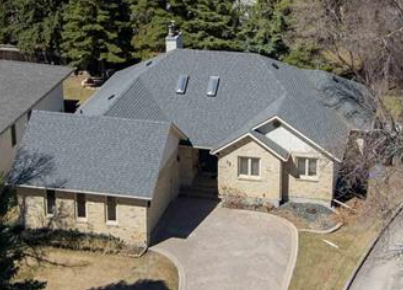
Sold for $250,000 over asking
Winnipeg Real Estate Sales Summary & Market Analysis May 11–17, 2026
居住面积
高于平均
比社区平均更大 30%
建造年份
接近平均
比社区平均更旧 20年
母语
English · 71%Tagalog · 5%
Past 10 years William Whyte sales snapshot (~80% of all data)
703
11.7万
$87/sqft
1927
我们的地产专家会帮助你做出更合适的决策。
通常几分钟内回复
免费 · 无需信用卡
53.6 分由下方两个部分构成。
房产分数
社区分数
William Whyte
解读:展示「william whyte」在 独立屋(非公寓住宅)、2024 年 的成交价位段占比(约每 5 万加元一档)。峰值区间可视为主流成交预算带;多年对比时可观察主力价位带是否随时间迁移。
销售/新挂牌比
1,196
sold
1,852
new listings
Manitoba Real Estate Association 3月公开的整个曼省的New Listings and Properties Sold数据
高于挂牌价成交
逾半成交高于挂牌价
104套成交中有68套高于挂盘价 · 人工整理自MLS的May 4 – May 10, 2026温尼伯成交的数据
销售/新挂牌比达64.6%,且65%的房屋以高于挂盘价成交,需求明显超过供给。买家之间存在竞争,对价格形成上行压力。
普查 dissemination area(DA)— 加拿大统计局 2021 人口普查 · 区域:#46110066
$52K
Median household income
$56K
Average household income
31%
Low income (LIM-AT)
0.2
Income inequality (Gini)
2.8
P90 / P10 ratio
30%
Single-person households
13%
Families with children
指标对应包含本房源坐标所在的普查 DA;具体口径与抽样误差以加拿大统计局为准。
土地面积:按面积大小排名,越大排名越靠前;排名越靠前分子越小,进度条越长表示相对同范围房源越有优势。街道、社区、全市分别为同街道、同社区、全温尼伯范围内的比较。
建造年份:按新旧排名,越新排名越靠前。
居住面积:按面积大小排名,越大排名越靠前。
评估总价(地税):按金额排名,越高排名越靠前。
进度条:着色长度表示「优于同范围房源」的大致比例;着色按分档为红 / 蓝 / 琥珀 / 灰。「平均」为同范围内可比房源的大致中位参照。
若要在地图上与周边独立住宅逐项对比(建造年份、居住面积、评估总价、土地面积等),可打开周边分析页面查看更直观的对比。
附近公交站、线路及交通评分
餐饮、教育、医疗、购物等生活配套
340 Magnus Avenue 500 m 范围内共发现 14 处生活配套,覆盖 7 个类别,含2 处餐饮(最近 311 m)、1 所教育机构(最近 207 m)、3 处医疗设施(最近 390 m)。
William Whyte · WPS public data · 2026
Annual incidents
160
2026
vs. city avg
+442%
relative to avg
Year-over-year
▼ -92%
vs. prior year
Primary type
Property
50%
同一街道排名
同一区域排名
整个全市排名
| 属性 | 同一街道排名 | 同一区域排名 | 整个全市排名 |
|---|---|---|---|
成交价 | 后25% | 后35% | 后2% |
同一街道排名
同一区域排名
整个全市排名
| 属性 | 同一街道排名 | 同一区域排名 | 整个全市排名 |
|---|---|---|---|
成交价 | 后16% | 后22% | 后1% |
邮件索取准确数据
地址 · 距离
This is a 1,507-square-foot home built in 1907, sitting on a 3,561-square-foot lot on Magnus Avenue in Winnipeg’s William Whyte neighbourhood. The key selling point is its above-average living space for the area—it ranks in the top 7% on the street and top 16% in the neighbourhood, meaning it’s noticeably roomier than most homes nearby. The lot size is also above average for the neighbourhood (top 18%), though small by citywide standards.
At an assessed value of $127,000, it’s below the street and city averages but roughly in line with the neighbourhood. That gap between size and price is where the appeal lies: you get more indoor space than most houses in the area for what appears to be a below-market valuation. The home is old—over a century—so the structure and mechanicals will demand attention, but the combination of generous square footage and relatively low assessed value could work for a buyer who values space over a move-in-ready finish.
This property would suit:
1. Why is the assessed value so low compared to the living area?
The assessed value ($127,000) likely reflects the home’s age (1907), condition, and the overall market for the William Whyte neighbourhood. Even though the interior is spacious, the property ranks low citywide for value. The gap suggests there may be deferred maintenance, or simply that the area doesn't command high prices. It’s worth getting a building inspection to see if the low value is tied to structural or system issues.
2. How does the lot size compare to other homes in Winnipeg?
At 3,561 sqft, the lot is above average for the neighbourhood (top 18%) but well below the citywide average of 6,570 sqft. That’s typical for older, central neighbourhoods where lots were subdivided long ago. If you’re hoping for a large yard or future expansion, this is not oversized, but it’s more space than many nearby homes offer.
3. What should I expect from a home built in 1907?
Expect old-house quirks: potential knob-and-tube wiring, lead paint, plaster walls, and an older foundation. The ranking data suggests the home is older than 96% of properties citywide, so while it’s not unique for the area (many homes on Magnus Avenue and in William Whyte date from the early 1900s), you should budget for ongoing maintenance and upgrades. A pre-purchase inspection focused on the roof, electrical, plumbing, and foundation is strongly recommended.
4. Is the neighbourhood improving, or are values stagnant?
The data doesn’t show trends directly, but the assessed value being below the street and city averages while the living area ranks high suggests the market hasn’t fully priced in the square footage. That could mean opportunity—or it could mean the neighbourhood hasn’t appreciated as much as others. Look at recent sale prices of similar homes in William Whyte and check for any development plans nearby.
5. How is the property ranked overall, and what do the rankings actually mean?
The rankings compare this home to all properties within the same category (both residential). A higher percentage means you outperform more homes. For example, being in the top 7% on Magnus Avenue for living area means only 7% of homes on the street are larger. But being in the top 98% citywide for assessed value means only 2% of homes are valued lower—so the rank is “bad” from a value perspective, but “good” if you want a low assessment for tax or purchase reasons. Always read whether “top” refers to being among the highest or lowest.
雷达图、排名对比和双栏布局在电脑端体验更佳,建议在电脑浏览器中打开本页查看完整内容。