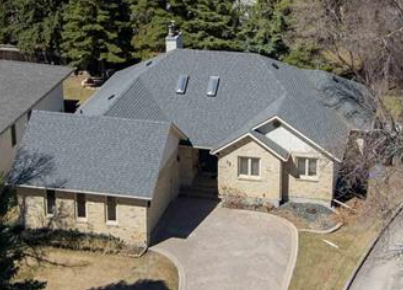
Property Overview: 253 Cathcart Street, Varsity View, Winnipeg
Key Characteristics, Appeal & Ideal Buyer
This is a well-maintained bi-level home built in 1969, situated on a generous 5,047 sqft lot in the established Varsity View neighbourhood. Its key features include 875 sqft of living space and a finished basement. The appeal lies in its balance of space, location, and value. It offers the roominess of a larger lot and a classic bi-level layout—often providing good separation between living and sleeping areas—at a price point accessible for first-time buyers or downsizers. The recent sale in early 2023 suggests a modernized transaction history.
Its rankings indicate it is a solid, middle-of-the-road property within its immediate area, neither the newest nor the largest, but holding its own in broader Winnipeg comparisons. This positions it as a practical and grounded choice. It would best suit buyers looking for an entry into a mature neighbourhood close to the University of Manitoba, who prioritize lot size and functional space over a brand-new build or premium finishes. It’s a home for those who see potential in a dependable structure and value a quiet street over flashy stats.
Frequently Asked Questions
1. What does the ranking data actually tell me?
The rankings show how this property compares to others in specific categories. For example, while its lot size ranks highly on its street, its living area is more modest in comparison. This highlights its configuration: you're buying into a larger-than-average parcel of land with a compact, efficient house on it.
2. Is a bi-level style suitable for me?
Bi-levels feature short staircases to both the upper living area and lower level. This layout can offer good privacy, often placing bedrooms on a separate floor from the main living space. It's worth considering if you prefer some division between daily activities or have mobility concerns with stairs.
3. The house was just sold in 2023. Why is it back on the market?
Without specific disclosure, we can't know. However, short-term ownership can result from many neutral factors like a job relocation, change in family circumstances, or an investor divesting. It does provide a very recent market price point for reference.
4. What are the pros and cons of a home built in 1969?
Pros often include sturdy construction, mature landscaping, and established neighbourhood character. Cons can involve older building materials, wiring, or plumbing that may need updating or inspection. The finished basement is a plus, but it's wise to check the quality and permits of that renovation.
5. There's no garage. How big of an issue is that?
This depends on your lifestyle. For some, it's a deal-breaker. For others, the large lot may offer room to add a shed or future garage (subject to bylaws). It's a trade-off that contributes to the home's affordability and is common for the era and neighbourhood.