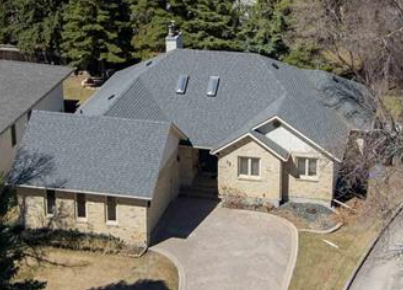
Property Overview & Key Characteristics
803 Mcivor Avenue is a spacious, well-established family home in Winnipeg's Springfield North neighbourhood. Its primary appeal lies in its generous scale and private outdoor space. The property sits on a very large lot of nearly 22,000 sqft, ranking it in the top 4% of lots on its street and the top 1% within the neighbourhood—a rare find that offers significant privacy and room for gardens, play, or expansion. The two-storey home itself provides over 2,000 sqft of living space, which is larger than approximately 90% of homes in the immediate area.
Key features include an attached garage, a pool, and a basement (noted as unrenovated). Built in 1972, the house is of a vintage that may appeal to those comfortable with some potential updates. The assessed value is modest relative to the lot size, which could attract buyers looking for land value or a property with solid fundamentals to personalize over time.
This home would best suit buyers who prioritize ample private outdoor space over a turnkey, modern interior. It’s ideal for families or multi-generational households seeking room to grow, hobbyists or gardeners who value a large yard, or value-oriented purchasers who see potential in the combination of a sizable lot and a functional floor plan, willing to invest in updates as needed.
Frequently Asked Questions
1. What is the true significance of such a large lot size?
Beyond simple bragging rights, a lot of this size (over half an acre) in a established neighbourhood offers uncommon long-term flexibility. It provides a buffer from neighbours, ample space for recreational additions like a sport court or extensive landscaping, and potential for future additions like a workshop, garage, or even subdivision, subject to municipal approvals.
2. The home is noted as having a pool. What should I consider?
An in-ground pool is a major feature that requires specific consideration. Buyers should budget for ongoing maintenance, seasonal opening/closing costs, and increased insurance. It’s a fantastic private amenity for a family but represents both a lifestyle asset and a recurring responsibility.
3. The basement is described as "not renovated." What does that typically mean?
This usually indicates the basement is in original or functional condition, likely with dated finishes and mechanicals. It presents a blank canvas but will require investment to modernize. It’s crucial to have it inspected for moisture, insulation, and foundation integrity to accurately budget for any future development.
4. How does the 1972 build year affect the home?
Homes from this era often have solid construction but may feature original electrical, plumbing, windows, or insulation that are nearing or past their typical lifespan. An inspection is vital to identify which major systems have been updated and which may require imminent replacement, influencing your offer and renovation priorities.
5. The assessed value seems low relative to the lot size. Is that a good sign?
A lower assessed value can indicate the municipal assessment is based more on the current home condition than the land's premium value. This can sometimes mean slightly lower property taxes than a newer home on a similar lot. However, the market sale price is determined by buyer demand for this unique combination of a large lot and livable home, not the assessment.