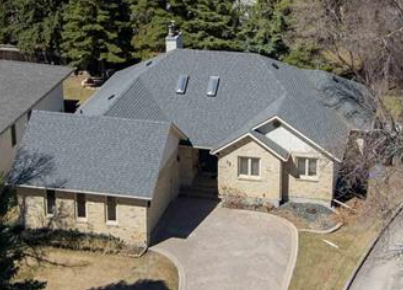
557 Aberdeen Avenue – Property Summary
Key Characteristics & Ideal Buyer Profile
This 1,170 sqft home built in 1966 sits on a substantial 5,998 sqft lot in the William Whyte neighbourhood. Its standout feature is the land: the lot ranks in the top 1% both on the street and in the area, offering nearly double the average lot size for nearby homes. The home itself is above average for its street in terms of living space, though it falls around the citywide median for square footage and year built. The assessed value is unusually strong relative to the immediate area—top 3% on Aberdeen Avenue and top 1% in William Whyte—but closer to the citywide average, which suggests the property carries local scarcity value rather than broader market heat.
The appeal here is twofold. The generous lot gives room for expansion, gardening, or outdoor living in a neighbourhood where large yards are rare. Meanwhile, the relatively recent 1966 build means the home is newer than most of its neighbours (averaging 1930s construction), which often translates to more modern foundations, wiring, and roof life. The disconnect between strong local assessed value and average citywide ranking hints at a property that is desirable within its immediate context but may not yet have been discovered by the wider market.
This property would suit a buyer who values outdoor space and is willing to work with a home that is sound but likely not renovated. It fits someone looking for more land than the neighbourhood typically offers, possibly with plans to add square footage, build a garage, or create a private yard. It could also appeal to a value-conscious buyer who sees the low citywide ranking on assessed value as a potential gap—bearing in mind that appraisal and market price are not the same. Investors might find the land-to-building ratio attractive for future development potential, though zoning and permit feasibility would need to be verified.
Frequently Asked Questions
1. The assessed value is high for the street but average for the city. Does that mean the purchase price will be closer to one or the other?
Municipal assessment is not a direct price tag. It reflects what the city considers market value for tax purposes, but actual sale prices depend on condition, renovations, curb appeal, and how many buyers are competing. The local ranking suggests the property is a standout on its street, but the citywide average indicates a cap on how far above local norms pricing can push. Expect pricing to land somewhere between the two, with the large lot as the primary upside factor.
2. The lot is nearly 6,000 sqft, but the house itself is 1,170 sqft. Is there room to add on?
There is physical space, but whether you can build depends on zoning setbacks, lot coverage limits, and any easements or restrictions on the property. A 6,000 sqft lot in a neighbourhood where most lots are around 3,200 sqft suggests you likely have more flexibility than your neighbours, but the specific allowable footprint for your street should be confirmed with the city’s planning department. Older neighbourhoods sometimes have narrower frontages that limit addition width even when total lot size is generous.
3. How does the 1966 build compare to older homes in the area in terms of maintenance?
Homes built in the mid-1960s often have original aluminum wiring or early plastic plumbing that may need updating. However, they typically have poured concrete foundations rather than fieldstone or rubble, which is common in pre-1940s homes in this area. That usually means fewer basement moisture issues. The trade-off is that 1960s construction methods sometimes used less insulation and single-pane windows, so energy efficiency upgrades may be worthwhile.
4. The ranking methodology says "larger = better" for land and living area. Does that mean a smaller house on a big lot is penalized in the living area comparison?
Yes. The living area only measures the house itself, not the land. So this property ranks around average citywide on living space because 1,170 sqft is close to the median for Winnipeg. The strong ranking comes from the combination—top-tier land with a decently sized house that is newer than local stock. If you are looking purely for interior square footage, this property won't stand out. If you value outdoor space and the option to add more house later, the picture changes.
5. What does "elite" mean in the context of the ranking tiers used here?
The "elite" tier (shown as red in the bar charts) is reserved for properties that rank in roughly the top 5–10% of their peer group. On this lot, the land ranks in the top 1% both on the street and in the neighbourhood, so the "elite" label is accurate but only applies to land, not to the house itself. The assessed value also gets an elite ranking locally, but that is partly driven by the land value itself. It is worth distinguishing which parts of the property are truly exceptional and which are simply average; in this case, the land is the star, and the house is a solid supporting player.